
A realistic shopping list for British visitors
What to buy in Calais and what you can bring back to Britain
Calais remains a good place to buy French wine, beer, biscuits, chocolate, bread and regional products. However, current British import restrictions mean that several traditional favourites, including French cheese, butter and most meat products, cannot presently be brought into Great Britain from the EU.
Last checked: September 2026
First: check what you can bring into Britain
Food and alcohol purchased legally in France are not automatically permitted into Great Britain. UK personal-import rules apply regardless of whether you buy from a supermarket, specialist shop or duty-free outlet.
Temporary animal-health restrictions can change quickly. A product that was allowed during an earlier Calais trip may now be restricted.
Always verify the current position using the official GOV.UK guidance for bringing food into Great Britain.
1. French wine
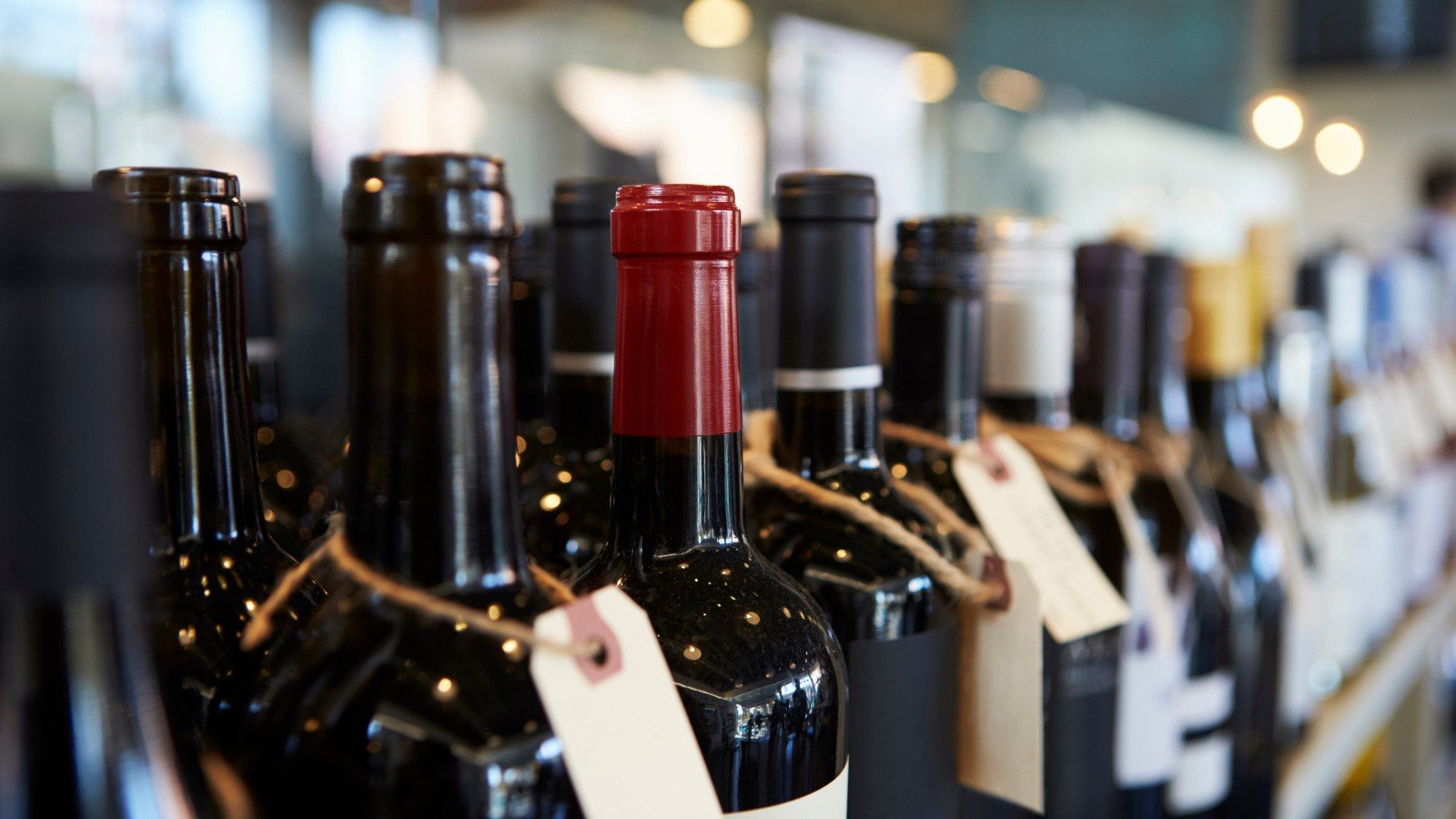
Wine remains one of the strongest Calais purchases because French supermarkets stock a much broader regional range than most British supermarkets.
Instead of simply choosing the largest discount label, decide what style of wine you want.
Useful regions to explore
- Loire: Sauvignon Blanc, Chenin Blanc, Muscadet and Cabernet Franc
- Rhône: Grenache and Syrah-based reds at several price levels
- Alsace: Riesling, Pinot Gris and Gewürztraminer
- Languedoc: often good value for everyday reds and blends
- Burgundy: Pinot Noir and Chardonnay, but prices can rise quickly
- Bordeaux: everything from inexpensive supermarket bottles to classified wines
Crémant can be a useful alternative to Champagne. Look for Crémant d’Alsace, de Loire, de Bourgogne or de Limoux.
How to avoid buying poor wine
- Choose a region or grape before entering the aisle
- Check the vintage and alcohol level
- Look at the price per bottle, not only multi-buy signage
- Compare recognisable labels with current UK prices
- Try a small number before buying an entire case
Specialist shops may offer more advice, while Carrefour and Auchan provide greater convenience. See our Calais wine and beer outlet guide.
2. French and Belgian beer
Calais supermarkets carry French regional beers alongside a substantial Belgian selection. This is often more interesting than buying international lager available in every British supermarket.
Look for:
- Bière de garde from northern France
- Abbey-style Belgian beer
- Trappist beer
- Wheat beer
- Strong blond and dark ales
- Seasonal and local brewery packs
Compare the price per litre and check bottle deposits or unusual pack sizes. Strong Belgian beer also contains substantially more alcohol than standard lager.
3. Biscuits and waffles
Biscuits are among the easiest French products to take home because they are portable, do not require refrigeration and are generally permitted under current rules.
Northern France and nearby Belgium are known for waffles, butter-style biscuits, filled wafers and spiced biscuits.
Check the ingredients if a traveller has an allergy, but normal packaged biscuits can generally be brought into Great Britain.
4. Chocolate and confectionery
Chocolate, sweets and confectionery are useful gifts and easy to transport. French hypermarkets offer familiar brands as well as products less commonly sold in Britain.
GOV.UK currently permits chocolate and confectionery unless they contain large amounts of unprocessed dairy ingredients.
Avoid buying only international brands unless the price is genuinely better. Look for French or Belgian producers, regional gift boxes and flavours not commonly available at home.
5. Bread and cakes
French bread is one of the simplest immediate purchases. Buy a baguette for the journey, a picnic or your first evening in France.
Bread can generally be brought into Great Britain, provided it is not made into a sandwich filled with restricted meat or dairy products.
Cakes without fresh cream are also generally permitted. Fresh-cream pastries should not be treated in the same way.
6. Mustard, sauces and condiments
French supermarkets carry a much wider choice of mustard, cornichons, mayonnaise, vinaigrettes and cooking sauces than many UK stores.
Useful choices include:
- Dijon mustard
- Wholegrain mustard
- Cornichons
- Wine and cider vinegar
- Herbes de Provence
- Packaged stocks and flavourings
- Regional hot sauces and mayonnaise
Packaged soups, flavourings and many processed plant products are currently permitted, but check ingredients when a product contains meat or dairy.
7. Coffee and chicory
French coffee brands, ground espresso and chicory blends can provide a lightweight, unrestricted purchase.
Chicory-based drinks have a particular connection with northern France. They are inexpensive, easy to transport and different from the usual cross-Channel shopping list.
8. Pasta, rice and packaged foods
Plain pasta, noodles, rice and many packaged plant-based foods are generally permitted.
Avoid pasta filled with restricted meat. Products containing cheese or a substantial dairy filling should also be checked carefully under the current restrictions.
These items are not always cheaper than in Britain, so concentrate on regional shapes, French brands or products you cannot find at home.
9. Fruit, vegetables, nuts and seeds
Current rules allow fruit, vegetables, nuts and seeds to be brought into Great Britain from the EU for personal use.
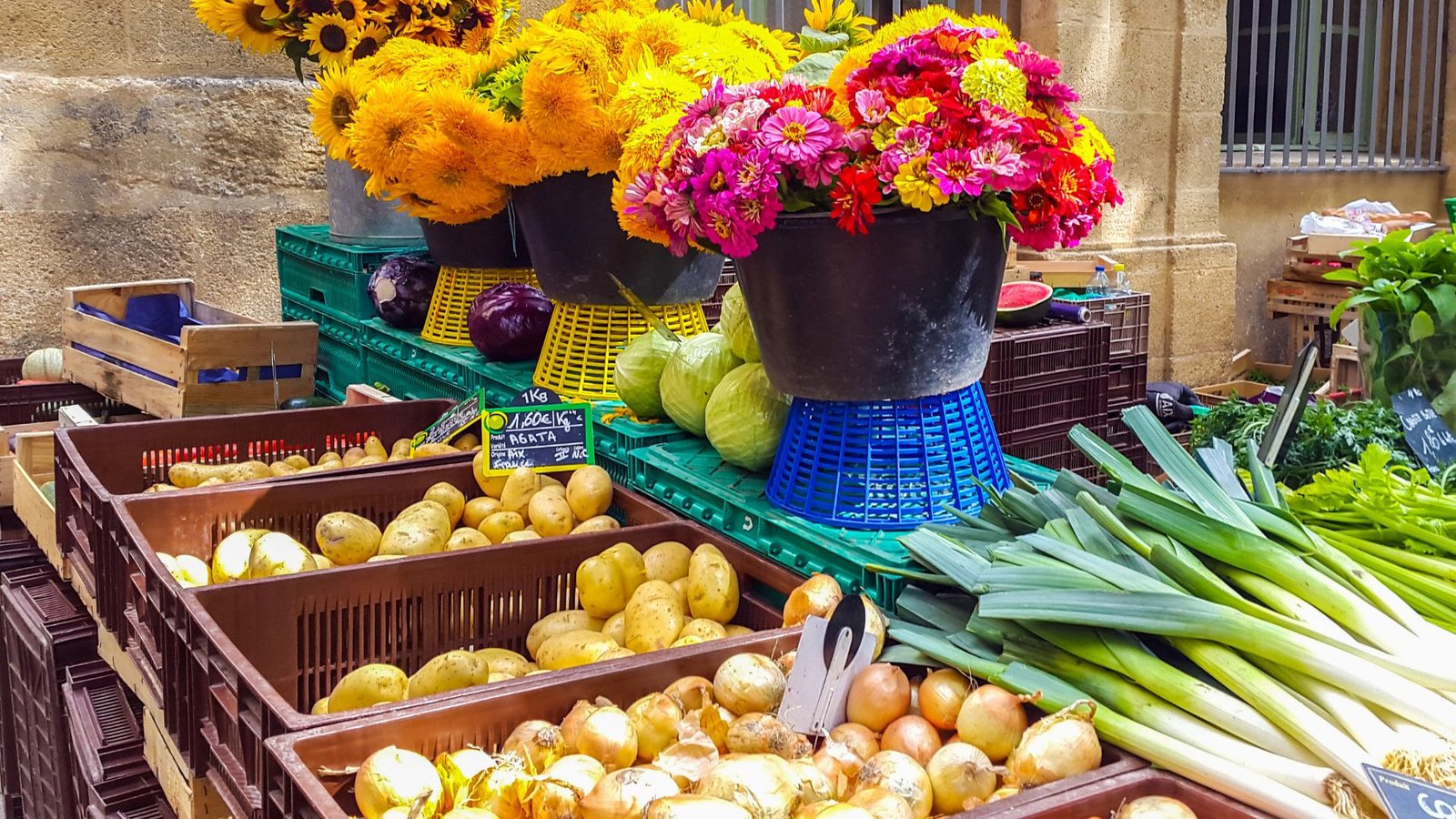
This can make French markets and supermarket produce sections worthwhile, particularly when buying seasonal fruit, garlic, shallots or cooking ingredients for use soon after returning.
Plant-health restrictions can change, so check the current GOV.UK rules for fruit and vegetables.
10. Fish and seafood products
Fish and fish products from the EU are currently permitted for personal use, although separate rules and quantity limits can apply.
Tinned sardines, mackerel, tuna, fish soup and packaged seafood products are easier to transport than fresh fish.
Keep fresh and chilled seafood at a safe temperature and verify the current government rules before buying a large quantity.
11. Poultry and eggs
Current GOV.UK guidance distinguishes poultry from restricted pork, beef, lamb and other meats. Poultry products and eggs from the EU are presently listed as permitted for personal use.
Because animal-disease restrictions can change quickly, check the official rules again on the day you travel rather than relying solely on this page.
12. French toiletries and pharmacy products
French supermarkets and pharmacies stock skincare, sun protection, toiletries and personal-care brands that can be harder to find in Britain.
Compare prices, pack sizes and active ingredients. A French product may use a different name or concentration from its UK equivalent.
Do not buy prescription medicine without appropriate medical advice or assume that every over-the-counter French medicine can legally be imported in unlimited quantities.
What you currently cannot bring back
At our September 2026 check, the following could not be brought from France into Great Britain for personal use:
- Cheese
- Milk
- Butter
- Yoghurt
- Fresh-cream products
- Pork and pork products
- Beef and beef products
- Lamb and mutton
- Goat and venison
- Sausages made from restricted meats
- Sandwiches containing restricted meat or dairy
This restriction includes products that are packaged, vacuum sealed or purchased from a reputable supermarket.
Can you still buy French cheese in Calais?
Yes, you can buy and eat French cheese while you remain in France or another country where it is permitted. The restriction concerns bringing it into Great Britain.
Buy cheese for a picnic in Calais, your accommodation in France or the onward European journey. Do not leave it in the vehicle when returning to Britain under the current rules.
Can you bring charcuterie back?
Most traditional charcuterie is currently prohibited because it contains pork, beef or another restricted meat.
This includes products such as ham, salami, saucisson, pâté and meat-filled sandwiches when made from restricted meats.
Check the official ingredients and current rules rather than assuming that curing, cooking or vacuum packing makes the product acceptable.
Alcohol allowances
At our September 2026 check, adults entering England, Scotland or Wales could bring both:
- 42 litres of beer
- 18 litres of still wine
In addition, they could bring either:
- 4 litres of spirits or other drinks above 22% alcohol
- 9 litres of drinks up to 22%, including sparkling wine, fortified wine and cider
The additional categories can be divided proportionally. Travellers under 17 do not receive alcohol or tobacco allowances.
Check the current GOV.UK personal allowances before buying.
What is often not worth buying?
Avoid filling the car with products available at the same or a lower price in Britain.
Often poor-value choices include:
- International soft-drink brands
- Familiar cleaning products
- Standard toiletries without a promotion
- Electronics without checking warranty conditions
- Wine already discounted by UK supermarkets
- Large packs that only appear cheaper
- Restricted food that cannot legally enter Britain
Where should you shop?
Carrefour Cité Europe
Best for the largest general selection and the easiest choice before or after LeShuttle.
Read our Carrefour Cité Europe guide.
Carrefour Mi-Voix
Best for ferry passengers wanting groceries and fuel without travelling across to Coquelles.
Read our Carrefour Mi-Voix guide.
Auchan Calais
Best for a large standalone hypermarket and visitors who enjoy browsing French food departments.
Read our Auchan Calais guide.
Specialist wine and beer shops
Best for advice, bulk offers and products aimed specifically at cross-Channel shoppers.
Read our wine and beer outlets guide.
Calais Duty Free
Best for selected spirits, fragrances, cosmetics and last-minute purchases after entering the ferry port.
Read our Calais Duty Free guide.
A sensible Calais shopping list
- Wine from two or three chosen French regions
- French or Belgian beer
- Crémant or Champagne within your allowance
- Packaged waffles and biscuits
- French or Belgian chocolate
- Plain bread and cakes without fresh cream
- Dijon and wholegrain mustard
- Cornichons and packaged condiments
- Coffee or a northern French chicory blend
- Tinned fish or packaged fish soup
- French toiletries or skincare
Bring these shopping supplies
- A €1 coin or trolley token
- Reusable shopping bags
- Bottle carriers or strong crates
- A cool box for permitted chilled products
- A prepared shopping list
- An alternative payment card
- Enough boot space for safe loading
Common mistakes
- Buying cheese or charcuterie based on outdated advice.
- Assuming vacuum-packed meat is permitted.
- Believing French tax-paid products escape UK allowances.
- Using a child’s alcohol allowance in the calculation.
- Buying international brands without comparing prices.
- Forgetting that bottle and case sizes differ.
- Shopping without leaving time for check-in.
- Leaving chilled products in a warm car.
Frequently asked questions
What is the best thing to buy in Calais?
French wine, regional beer, biscuits, chocolate, condiments and packaged regional products offer the most useful combination of choice and easy transport.
Can I bring French cheese back to Britain?
Not under the restrictions in place at our September 2026 check. All dairy products from the EU were currently prohibited from personal import into Great Britain.
Can I bring ham or salami back?
Most ham, salami and charcuterie cannot currently be brought into Great Britain because pork, beef, lamb and products made from these meats are restricted.
Can I bring bread back from France?
Plain bread is allowed. Sandwiches filled with restricted meat or dairy products are not.
Can I bring chocolate and biscuits back?
Normal biscuits and most chocolate or confectionery are allowed. Exceptions can apply to products containing large quantities of unprocessed dairy ingredients.
Is wine cheaper in Calais?
Some French wine offers better value or a wider selection, but not every bottle is cheaper than in Britain. Compare the exact product, bottle size and exchange rate.
Food restrictions and personal allowances can change at short notice. This page reflects GOV.UK guidance checked in September 2026. Always check the official rules immediately before travelling.