
GETTING TO CALAIS FROM THE UK
How to reach Calais from the UK
For most British visitors, the real choice is simple: take the ferry from Dover or drive onto LeShuttle at Folkestone. Here is how the two crossings differ and what happens when you arrive.
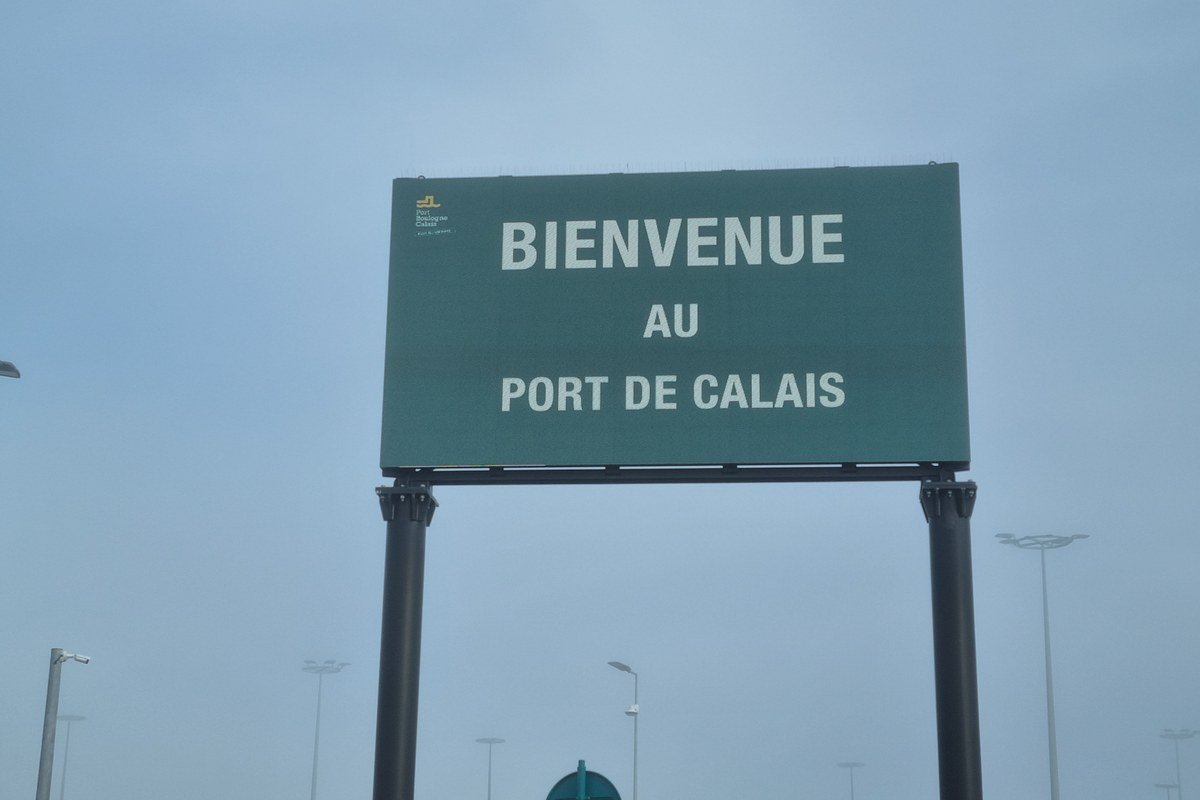
Ferry or LeShuttle?
If you are bringing a car, both options are straightforward. Your decision will usually come down to price, departure time and whether you would rather remain with your vehicle or spend part of the journey outside it.
Choose the Dover–Calais ferry when:
- the fare is noticeably cheaper;
- you want a break from driving;
- you want food, toilets and space to walk around during the crossing;
- you are travelling without a car and the selected operator accepts foot passengers.
Choose LeShuttle when:
- you want the shortest onboard crossing;
- you prefer to remain with your vehicle;
- you are travelling with pets or a heavily loaded car;
- you want to arrive beside the main Coquelles shopping area.
Our practical verdict
Compare both before booking. LeShuttle is normally the quicker crossing, but the ferry can offer better value and gives the driver a proper break. The fastest option overall also depends on check-in, traffic and the departure available when you travel.
Compare ferry prices to Calais
Use the booking engine below to compare available Dover–Calais sailings. Prices can vary considerably by departure time, vehicle size and how far ahead you book.
The comparison tool is provided by Direct Ferries. Calais Guide may receive a commission if you book through it, without increasing your price.
Taking the ferry from Dover
Dover is the main British ferry port for Calais. It is reached from London and south-east England via the M20 and A20. Follow the signs for the Eastern Docks and make sure you enter the lane for your operator.
Your booking confirmation gives the required check-in time. Leave extra room for motorway delays, border controls and busy holiday traffic. Turning up shortly before the advertised departure does not mean you will still be accepted.
You can check planned departures on the independent Dover–Calais ferry schedule. Before travelling, always confirm the final check-in time directly with your operator.
Arriving at Calais Ferry Port
Vehicles leave the port onto the main Calais road network. The A16 provides quick access towards Dunkirk, Boulogne, Belgium and the rest of France.
If Calais itself is your destination, do not automatically follow the motorway traffic away from town. Read our guide to what to do after leaving Calais Ferry Port for nearby shopping, the beach and the town centre.
Taking LeShuttle from Folkestone
LeShuttle carries cars, motorcycles, motorhomes and other permitted vehicles through the Channel Tunnel. The British terminal is near Folkestone, beside junction 11A of the M20.
This is not a conventional passenger train. You drive your vehicle onto a shuttle train and remain with it during the crossing. Travellers without a vehicle cannot use the standard vehicle service.
For more detailed terminal and booking information, see the independent Channel Tunnel guide.
Where does LeShuttle arrive?
The French terminal is in Coquelles, outside central Calais. This is especially convenient for shopping: Cité Europe, Carrefour and the Channel Outlet are all in the surrounding retail area.
See our dedicated guide to what is near the LeShuttle terminal before deciding whether to shop in Coquelles or drive into Calais.
Can you reach Calais without a car?
Yes, but it requires more planning. Some Dover–Calais ferry services accept foot passengers, although availability and check-in arrangements depend on the operator and departure.
Calais also has two useful railway stations. Calais-Ville is in the town centre, while Calais-Fréthun is outside the centre and handles regional and longer-distance connections. If you travel from Britain by international train, you will normally need to change for a French regional service rather than expecting a direct London–Calais train.
Our guide to visiting Calais without a car explains the stations, walking distances and which parts of Calais remain practical without your own vehicle.
Do not confuse the terminals
The ferry arrives at the Port of Calais. LeShuttle arrives in Coquelles. They are separate locations, so check which one applies before arranging a taxi, hotel or meeting point.
How early should you arrive?
Use the check-in deadline shown on your own booking rather than relying on a general rule. Requirements can differ by operator, ticket type, vehicle and travel date.
During school holidays and busy weekends, allow additional time for the M20, Dover approaches, terminal queues and border controls. It is better to have time for a coffee at the terminal than to watch your booked departure leave without you.
What should you do after arriving?
That depends on how much time you have. Calais is compact enough for a useful short stop, provided you choose somewhere that fits your arrival terminal and return deadline.
- Calais in one hour
- Calais in two to four hours
- One full day in Calais
- What to do just after arriving
- What to do before your return crossing